 Čeština
 English

















Crossselling Products







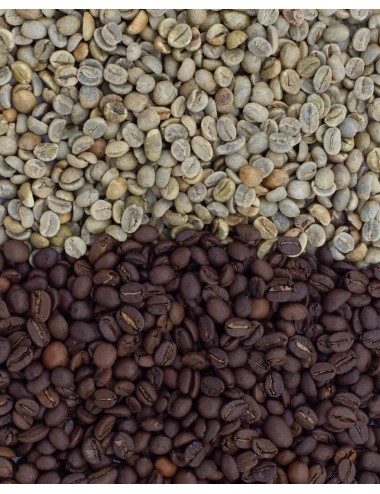
INDIA PLANTATION AA - Coffee beans
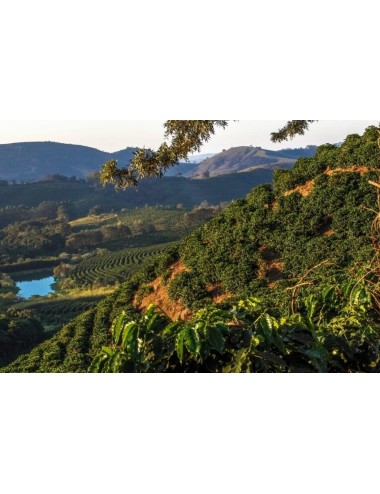
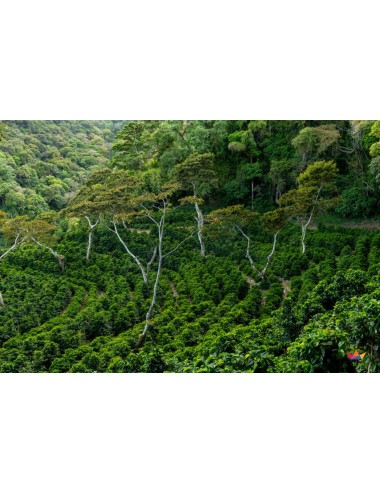
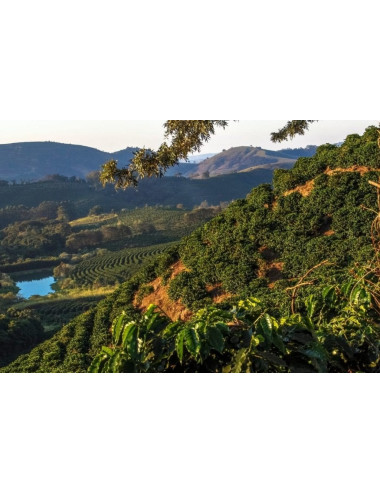
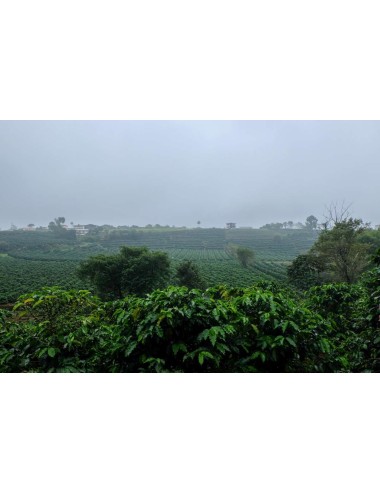
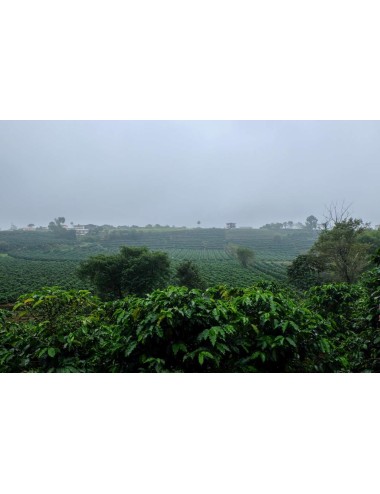
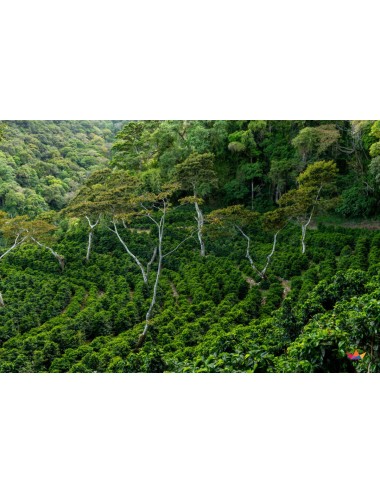
Most coffee cultivation is "traditional," featuring a two-tiered shade canopy that incorporates nitrogen-fixing legumes. It is very common in this method to intersperse coffee plants with spices (such as vanilla or pepper) and fruit trees. In fact, coffee production in the country predates that of tea. Records show that coffee first arrived in India in the 17th century, whereas tea did not appear until more than 200 years later, in 1839. What connects the two beverages, however, is that the British thirst for cheaper and more abundant tea and coffee was the primary reason both were first cultivated on a large scale on plantations across India.
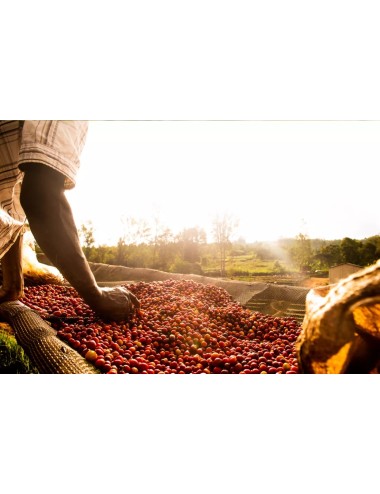
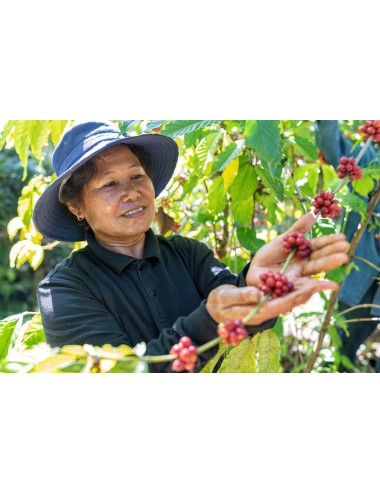
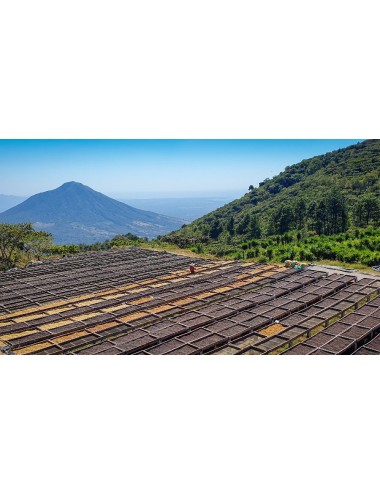
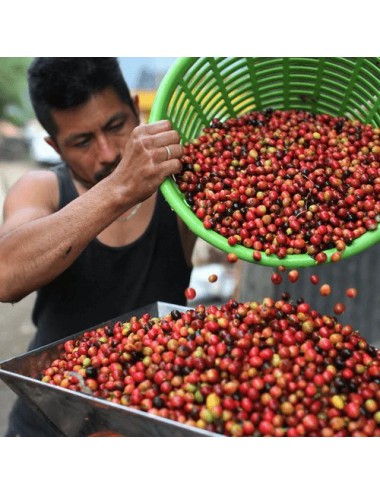
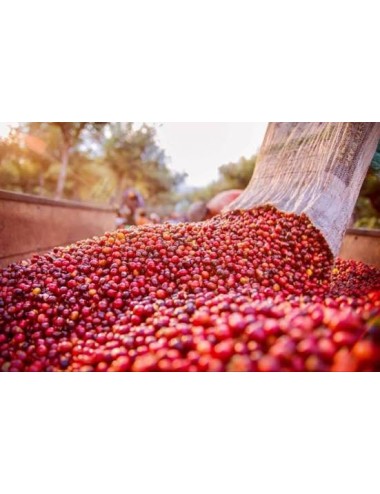
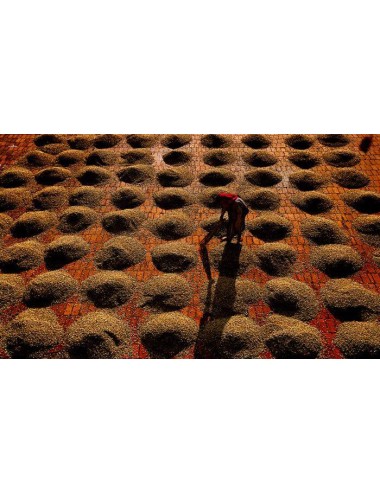
Today, approximately 30% of coffee production is consumed domestically, while the remaining 70% is destined for export. Between 70% and 99% of all coffee in India is grown on plots smaller than 10 hectares. Most production remains concentrated in the traditional growing regions of Karnataka, Kerala, and Tamil Nadu in the south; as recently as the 2014/2015 season, 90% of India's coffee originated from these three states. Following the harvest—typically carried out by hand by family members or hired laborers—the coffee cherries are usually processed using either the natural or washed method. Most farms dry the coffee on patios or raised beds, although some larger estates also utilize mechanical dryers.
Indian coffees are classified according to a specific and relatively complex system based on region. India produces fully washed and unwashed (natural) Arabica and Robusta coffees. Conventional grades are based on screen size and the number of bean defects: A, AB, B, C, and PB are commercial grades. India also has classifications for sub-grades—such as brown and black beans (separated from standard grades via electronic and manual color sorting), beans smaller than Grade C (including broken beans), and "bulk" coffee, which consists of unsorted beans.
In addition to visual appearance and screen size, coffee is also identified by its region of origin. Some of India's best-known regions include Mysore, Malabar, and Wayanad. Another step in the classification system involves the processing method: dry-processed (natural) coffees are referred to as "Cherry," while wet-processed (fully washed) Arabica is known as "Plantation."
100% Arabica.
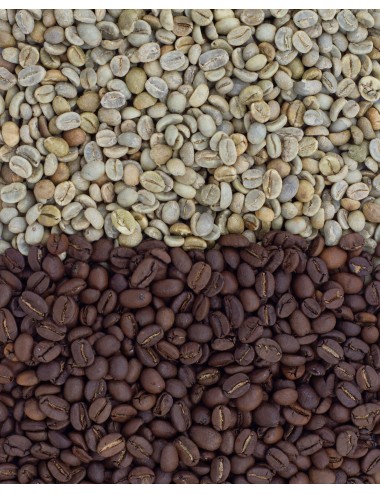
Processing method: Washed
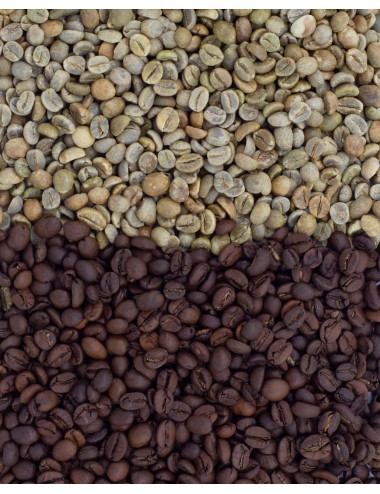
Roast: Medium (espresso)
Altitude: 700-1200 ASL